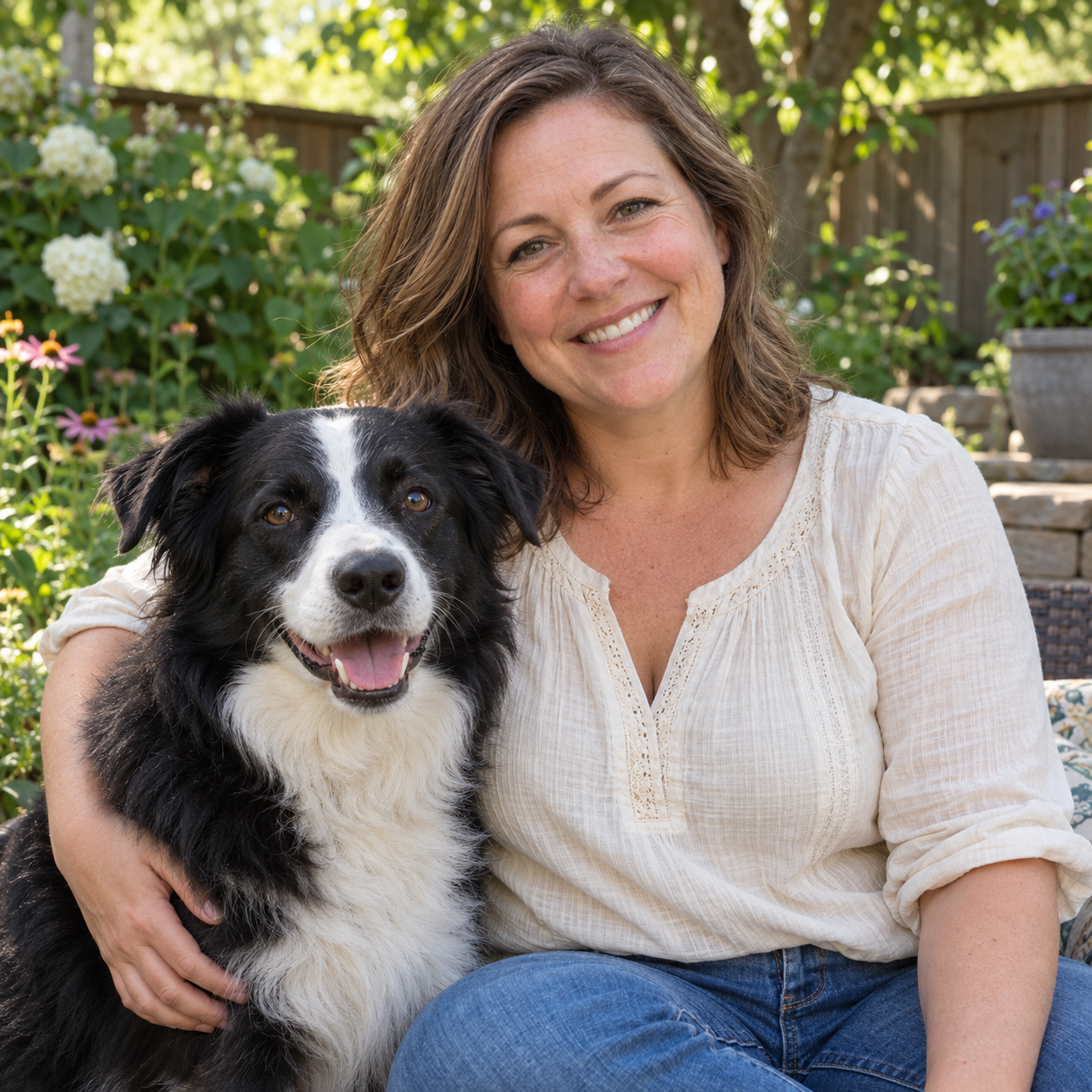
Last October, my dog wouldn’t leave me alone while I was unloading the dishwasher.
She kept nudging me. When I sat down on the sofa, she lay across my legs.
She isn’t a trained assistance dog. She had never done anything like that before. I don’t know what she noticed, but her behaviour was strange enough to make me reach for my blood pressure monitor.
The reading was 200/130.
I knew I needed to go to the emergency room. What I couldn’t understand was how something could be that wrong when I felt well enough to have been putting plates away a few minutes earlier.
There had been a mild cramp in my shoulder. I’d spent much of the day sitting at my desk, so I blamed my posture. It was the sort of discomfort I would usually stretch, rub and forget about.
A heart attack never entered my mind.
I was under 40. I could walk and breathe normally. There was no crushing chest pain. Nothing that made me think I needed to stop everything and get help.
My dog was the reason I stopped.
Even at the hospital, I didn’t feel I was being taken seriously. My initial EKG looked fine, and I was still walking around and talking normally.
Part of me wanted that to mean I was all right.
I didn’t want to be having a medical emergency. I wanted someone to explain the blood pressure reading, deal with it and tell me I could go home.
Then my blood test came back.
My troponin was 2,500.
I didn’t know much about troponin then. I know now that doctors use it to help identify damage to the heart muscle. At the time, what I understood was the change in urgency around me.
Suddenly, there was a heparin drip to start and a CT scan to arrange.
By then, more than 12 hours had passed since the episode had begun.
I had suffered an NSTEMI—a type of heart attack that doesn’t show the particular EKG changes many people associate with one. My apparently normal test hadn’t ruled it out.
I kept trying to fit those words around what had happened.
A heart attack. While I was unloading the dishwasher.
By 10 the following morning, I had undergone a procedure to have a stent fitted. One of the arteries supplying my heart had a 90% blockage.
That number was harder to dismiss than a shoulder cramp.
I thought about the explanation I had given myself at home. A long day at my desk. An awkward position. Something ordinary.
It frightened me how convincing that explanation had been.
The day after the procedure, I was allowed to go home.
Everything had happened so quickly once the blood test came back. I had gone from wondering whether I really needed to be in the emergency room to having a stent inside an artery. Now I was going home, still trying to understand it.
When I first told people about the heart attack, I said I hadn’t had any symptoms.
What I meant was that I hadn’t recognised them.
There was the shoulder discomfort. There was the blood pressure reading, which I wouldn’t have discovered at that moment if I hadn’t checked. I had expected a heart attack to make itself impossible to ignore.
Mine had left me making perfectly ordinary excuses.
Later, I talked about it with a friend who is a nurse.
She reminded me that my dog might not be beside me next time.
That was difficult to hear because it was true. I was grateful for what had happened, but I couldn’t depend on her behaving that way again.
My friend suggested looking at the Hume Band as an option she thought was affordable for keeping track of everyday health patterns.
We talked about pulse, sleep, blood oxygen and recovery. I admitted that I didn’t want to become someone who spent the whole day checking numbers.
Her advice was to get to know what was usual for me. If something kept changing without an obvious reason, I would have a record to discuss with my doctor.
That felt more manageable.
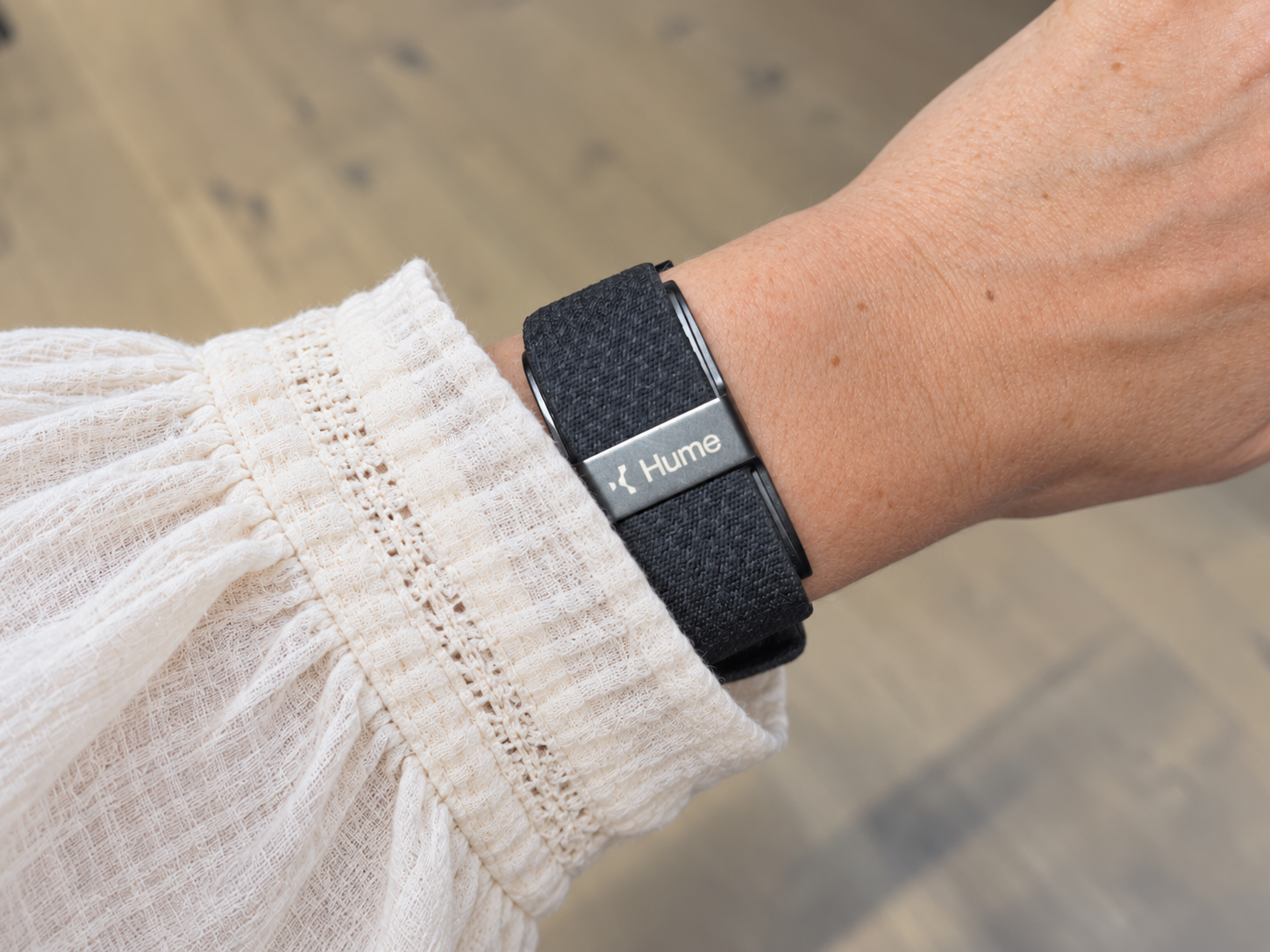
I liked the idea of being able to show someone a pattern instead of trying to remember whether my pulse had seemed different for two days or two weeks.
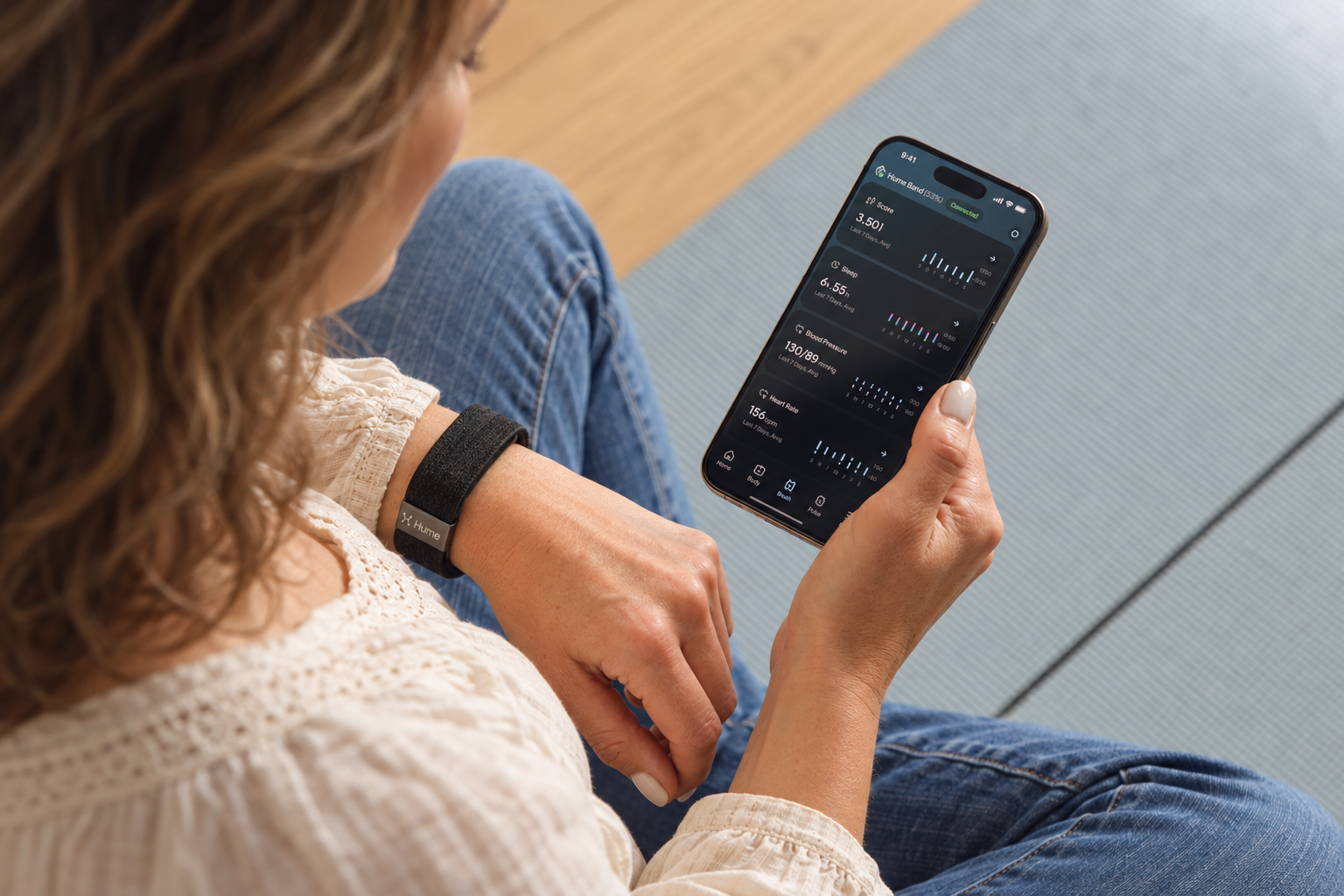
I also understood that the band couldn’t tell me whether an artery was blocked or reliably warn me of another heart attack. I would still need a proper blood pressure monitor and medical follow-up. If I suspected another heart attack, I would call emergency services straight away, whatever an app showed.
But everyday monitoring was something I could look into. A small, practical step after an experience that had left me questioning how much I knew about my own body.
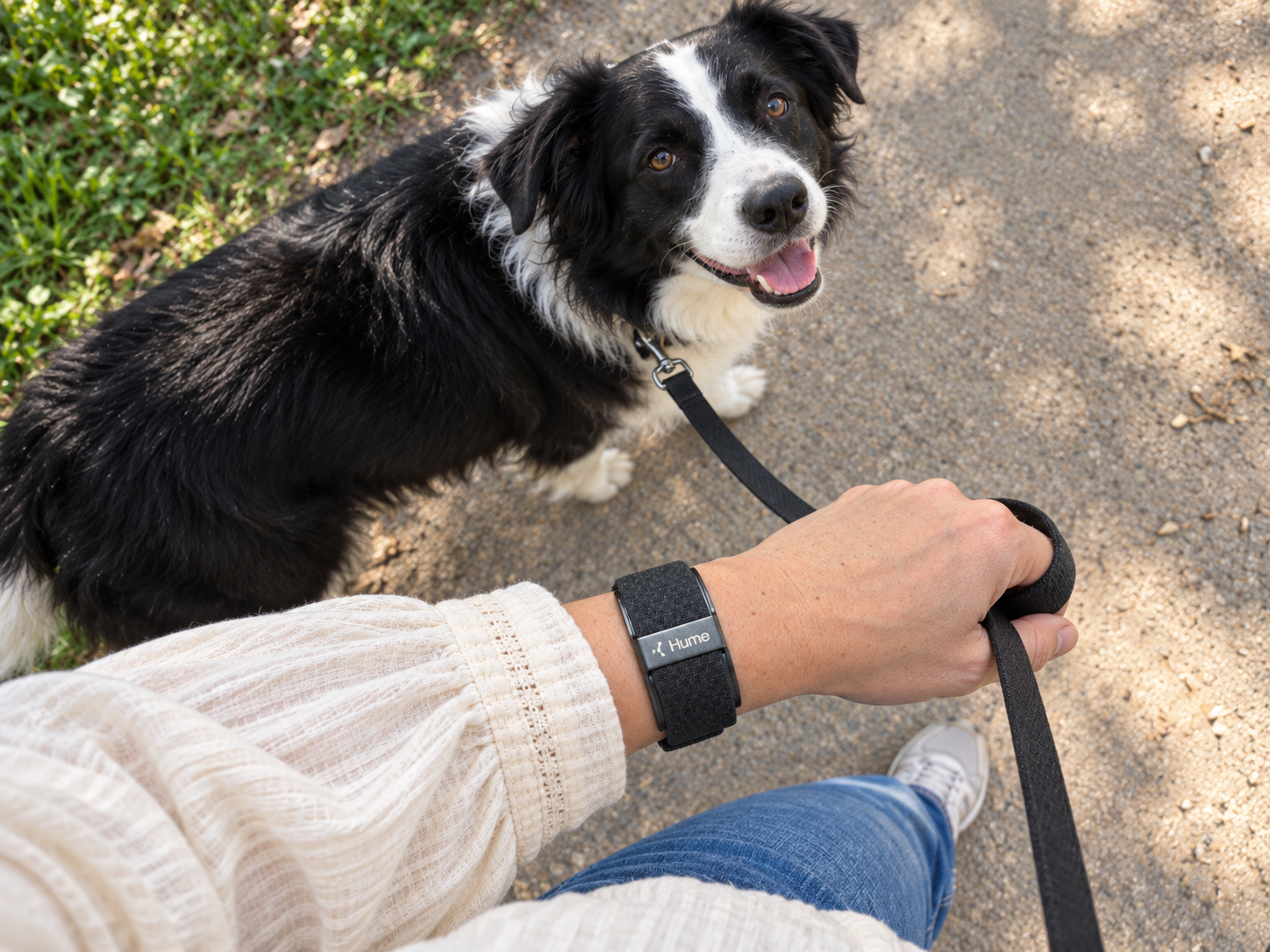
I understand how easily that intention gets pushed aside. There is work to finish, a kitchen to tidy and usually a reasonable explanation for feeling a little different.
What interests me about the Hume Band is having a record of those everyday patterns—something I can look back on and bring to an appointment.
If that would be useful to you too, take a look at its features and decide whether it fits your routine.
I’m grateful my dog made me reach for the blood pressure monitor that day. Going forward, I want to be more deliberate about paying attention. That is why I’m considering the Hume Band.
3 Comments